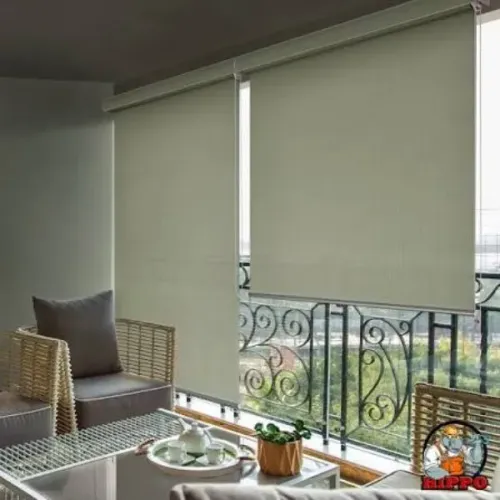
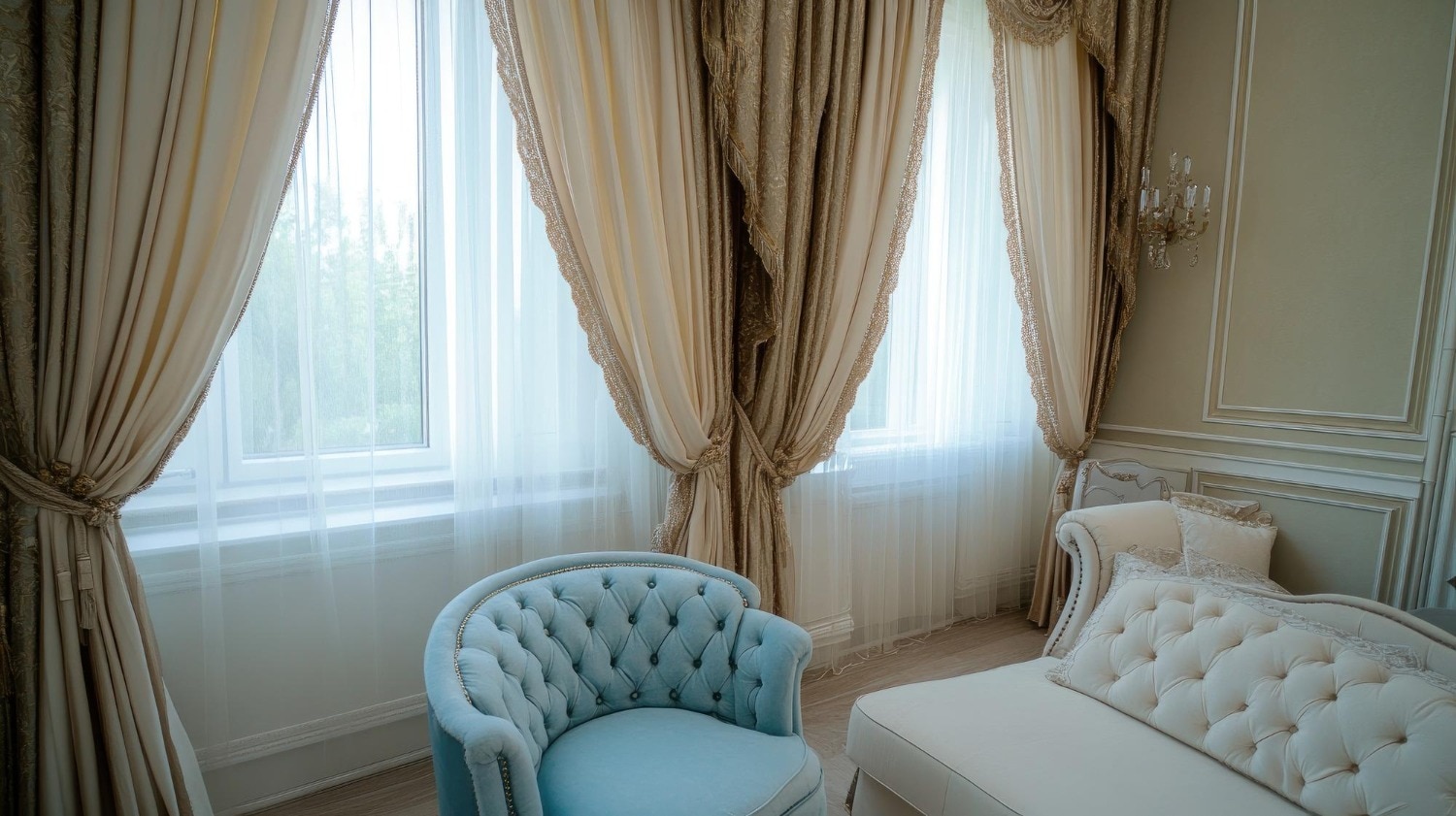
The wrong measurement, heading, fullness ratio, or mounting position can leave you with dragging hems, visible light gaps, blocked radiators, and hardware that cannot safely carry the fabric. Before ordering, you will be able to choose the right treatment for each room, prepare an accurate specification, compare custom and ready-made panels, and identify installation risks before they become expensive corrections.
Key takeaways
- Choose blackout, privacy, or glare control by room function.
- Measure the opening, hardware, handles, radiators, and other obstacles.
- Specify fullness, heading style, finished length, and mounting position.
- Request a quote listing fabric, lining, dimensions, installation, and care.
Choose Custom Curtains by Room and Compare Them With Ready-Made Panels
Choose the room’s job before choosing fabric: bedrooms need darkness and privacy, living rooms need flexible daylight, and workspaces need glare control without feeling enclosed.
| Room | Suitable specification | Why it fits |
|---|---|---|
| Bedroom | Lined or blackout-lined panels, close-fitting track, overlapping centre and side returns | Reduces light leaks and improves sleep privacy |
| Living room | Full-length lined curtains on a track extending beyond the glazing | Clears the view when open and softens reflected sound |
| Nursery | Cord-safe, washable fabric with blackout lining and securely fixed hardware | Supports safer operation, cleaning and daytime naps |
| Dining room | Durable, stain-tolerant fabric with floor clearance | Avoids dragging hems and protects against spills |
| Home office | Light-filtering lining or adjustable panels, positioned clear of screens | Controls glare without making video calls too dark |
| Rental property | Ready-made curtain panels in standard drops and neutral colours | Reduces lead time, alterations and installation complexity |
Custom made curtains are worth the extra coordination when the window is unusually wide, bay-shaped, close to a radiator, or positioned beside a door. Made-to-measure curtains also earn their cost when you need an exact floor relationship, a coordinated lining, or a motorised track with defined controls and service access.
Ready-made curtain panels suit standard windows where a small side gap and limited fabric choices are acceptable. They arrive faster, but resizing, adding lining, replacing unsuitable headings and finding compatible hardware can erase the saving. Choose custom sizing when correcting those compromises would take more time than ordering accurately once.
Measure the Opening, Hardware and Obstacles Before You Order
Record finished dimensions, not just the glass size. Your curtain measurements must show the hardware reference, intended hem position, stack-back space, overlap and every obstruction that could stop the curtain moving.
1. Ordinary window: measure the opening width at the top, middle and bottom. Record the planned finished pole width or finished track width, including any centre overlap, then measure from the pole, ring underside or track glider to the sill or floor at the left, centre and right.
Note out-of-square walls, handles, radiators, furniture, sockets and window recess depth.
2. Bay window: measure each bay section separately, including the angle or return between sections. Record the complete finished pole or track layout, corner connectors, overlap at the meeting points and the stack-back area on each side. Check that brackets will clear the recess, handles and opening casements.
3. Corner opening: measure both walls from the corner to each outside edge, plus the corner angle and the required gap or overlap where the curtains meet. Mark skirting boards, beams, vents, switches and furniture that could restrict the track or fabric.
4. Door or sliding opening: measure the full opening width and each side return, including any transom or adjacent window. Record the finished drop from the actual hardware to just above the floor or threshold, and check door handles, hinges, swing space, locks and circulation clearance.
Ask the quote to state the finished pole width, finished track width and finished drop, not merely window dimensions. Include mounting-surface details: masonry, studs, blocking or rated backing for the brackets.
Set Width, Fullness, Heading Style and Mounting Position
Set the finished rod or track width before calculating fabric. Multiply it by the chosen curtain fullness ratio, then divide by the fabric’s usable width; add allowances for seams, hems and pattern matching. A 1.5 ratio gives flatter folds, while 2 to 2.5 creates richer pleats, a wider stack and higher hardware loads.
| Heading style | Appearance and fabric use | Hardware requirement |
|---|---|---|
| Pinch pleat curtains | Fixed, formal folds with deeper pleat depth and substantial stack-back | Use compatible rings or gliders; confirm the heading tape’s spacing |
| Pencil pleat curtains | Adjustable gathers with flexible fullness and a less structured finish | Use a rod or track with suitable hooks; distribute gathers evenly |
| Wave curtains | Continuous, uniform waves that stack neatly | Use a wave track and matched gliders; a standard pole will not produce the same movement |
Choose the heading construction with the hardware, not separately from it. A deep pinch pleat needs enough track depth and wall clearance; wave curtains need a dedicated track, while pencil pleat curtains allow more adjustment.
Place the rod or track beyond both sides of the glazing so the open fabric clears the glass. Increase that extension for thick, lined fabric, multiple panels or high fullness; otherwise the stack blocks daylight and part of the view.
Check that brackets clear handles, radiators and adjacent walls, and specify the finished width, overlap and stacking side on the order. Ask for the exact fabric quantity after confirming the pattern repeat, usable width and pattern-matching requirement.
Specify the Finished Length, Light Control and Care Requirements
Set the finished drop from the exact hanging point: the top of the track, the bottom of rings, or the rod. A floor-length curtain usually ends 10–15 mm above the floor for easier cleaning; touching the floor looks softer but catches dirt. Avoid curtain puddling in hallways, near doors, and anywhere children walk.
| Length choice | Finished position | Best use |
|---|---|---|
| Floor-length curtains | 10–15 mm above the floor or lightly touching | Living rooms and bedrooms |
| Sill-length curtains | 10–20 mm above the sill or radiator | Windows above furniture or heat sources |
| Intentional curtain puddling | Extra fabric rests on the floor | Decorative rooms with little foot traffic |
Keep fabric at least 50–75 mm above a radiator or heater so airflow is not trapped behind the curtain. Check handles, desks, beds, and doors before approving the drop; a correct measurement can still create an obstruction.
Blackout curtain light gaps are usually caused by the top, sides, centre meeting point, or bottom rather than the fabric. Specify a close-fitting track, side returns, overlapping panels, and a pelmet or cassette when darkness matters.
Ask for the lining type, stated cleaning method, and dimensional tolerance. Washing, steam cleaning, and dry cleaning produce different results; cotton, linen, and interlining can shrink or change the drape. Do not order a barely-clear floor length until the supplier confirms how the finished curtain must be cleaned.
Turn the Design Into a Quote and Installation Checklist
A quote that names only the window size leaves the most expensive decisions unresolved. Approve it only after the supplier and installer document the finished curtain dimensions, hanging point, hardware, fixing method, controls and safety provisions.
1. Confirm the final scope: rod or track length, finished drop measured from the actual hanging point, heading style, fullness, hem position, fabric width, pattern repeat and pattern-matching allowance. The quote must show whether the fabric will sit just above the floor, lightly touch it or pool.
2. Confirm the load and structure. Heavy curtain hardware needs end brackets and intermediate supports sized to the manufacturer’s span and weight limits, fixed into studs, blocking, masonry or a rated substrate—not an unverified drywall plug. Record who supplies the rod or track and who completes the curtain installation.
3. Specify safety before sewing. Ask for cord safety curtains where cords could reach children, beds, cots or seating; use cordless, inaccessible-cord or motorized designs where appropriate. For US projects, ask how the product addresses 16 CFR Part 1260.
4. For motorized curtains, record the power supply, battery access, manual override, control compatibility, travel limits and servicing method. A concealed hardwired supply requires electrical coordination before decorating; batteries simplify fitting but need future replacement.
5. Confirm the handover: compliance documents, operating instructions, warranty, cleaning limits, installation date, access requirements and every included or excluded charge.
Blinds N Curtains can help coordinate fabric selection with the hardware and access decisions that determine whether the finished order works day to day.
Related products
 | D'Decor Curtains Elevate your interior living space with the premium collection of D'Decor Curtains at Blinds N Curtains. View product → |
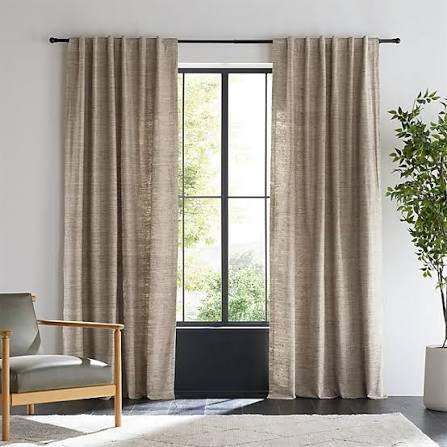 | Silk Curtains Transform your space with the timeless elegance and rich texture of custom silk curtains from Blinds N Curtains. View product → |
Frequently asked questions
Are custom curtains better than ready-made panels?
Custom curtains suit unusual window sizes, specific light-control needs, and precise floor-to-ceiling styling. Ready-made panels cost less and work well when standard sizes fit.
What should you measure before ordering custom curtains?
Measure the window opening, existing or planned hardware, ceiling or wall mounting position, and obstacles such as handles, radiators, furniture, and door swings.
How much curtain fullness should you specify?
Choose fullness based on the fabric, heading style, and desired appearance. Ask the supplier to state the finished width and fullness ratio in the quote.
What details belong in a custom curtain quote?
The quote should state fabric, lining, finished width and length, heading style, hardware, mounting position, installation, delivery, and care instructions.
Related products
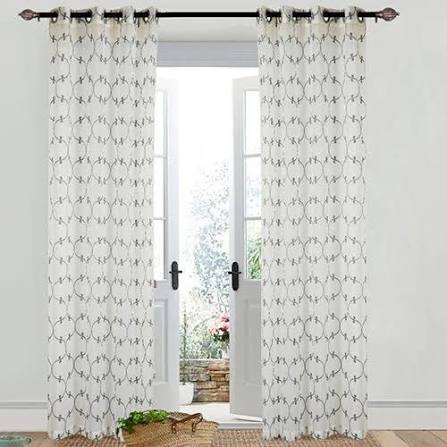 | Cotton Curtain Elevate your interior space with the natural warmth and timeless elegance of our premium Cotton Curtains at Blinds N Curtains. View product → |
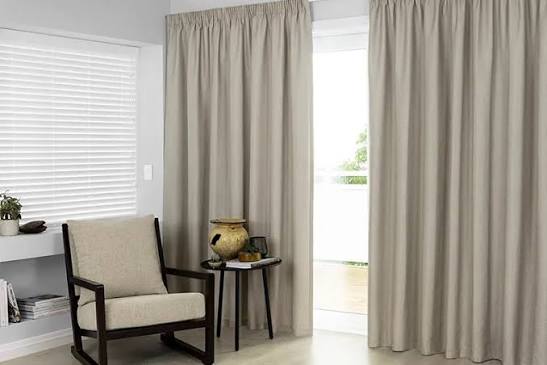 | Thermal Insulated Curtains At Blinds N Curtains, our Thermal Insulated Curtains are expertly designed to transform your home into an energy-efficient sanctuary without... View product → |
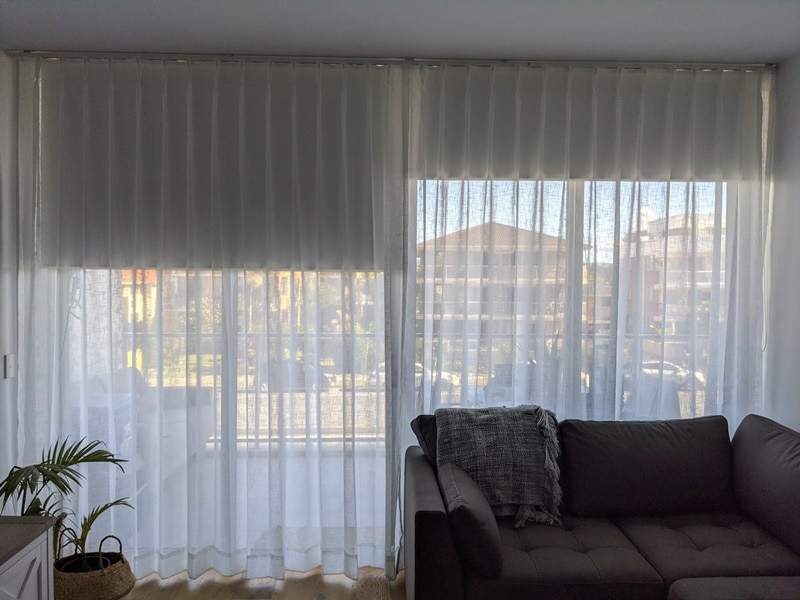 | Sheers ₹2000 Product Overview D'Decor Seamless Sheers represent the pinnacle of modern window treatments. View product → |
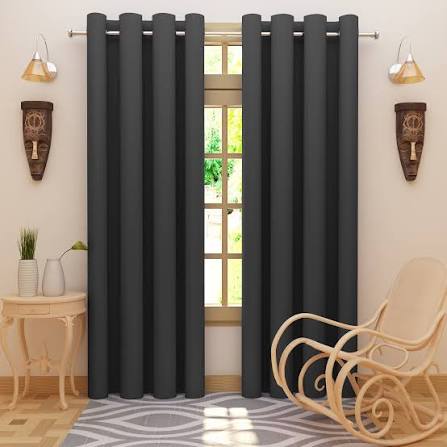 | Blackout Curtains at Blinds N Curtains offer the ultimate fusion of absolute privacy, light control, and sleek window styling. View product → |