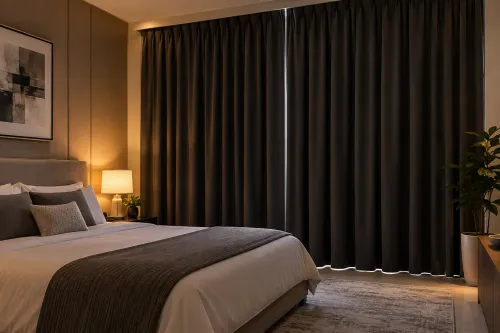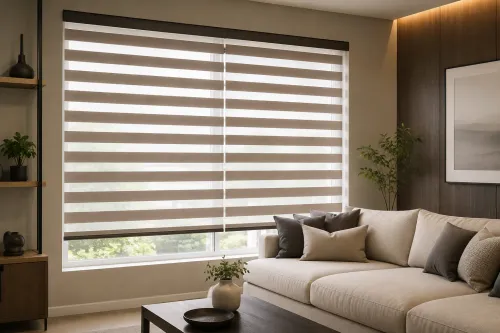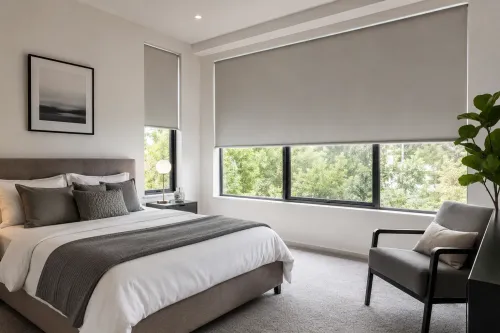

Curtains are one of the most visible design elements in any interior, but their quality depends on far more than attractive fabric. The expertise of Curtain Manufacturers plays a significant role in determining how well curtains perform over time, from their stitching and finish to their durability and functionality.
Whether you are furnishing a new home, upgrading an office, or working on a hospitality project, understanding how professional curtain manufacturers operate can help you make a more informed decision. For customers across Delhi NCR, investing in well-manufactured curtains often means fewer replacements, better aesthetics, and greater value over the years.
What Does a Curtain Manufacturer Actually Do?
Many people assume curtain manufacturing is simply cutting fabric and stitching panels together. In reality, the process involves several stages that ensure every curtain performs as expected.
Professional manufacturers typically handle:
- Fabric sourcing and quality inspection
- Pattern development
- Precision cutting
- Stitching and finishing
- Pleat creation
- Lining integration
- Quality testing
- Packaging and delivery
Each stage contributes to the final appearance and lifespan of the curtains.
Why Manufacturing Quality Matters
Even premium fabric can lose its appeal if it is not properly manufactured. Poor stitching, uneven hems, or low-quality accessories often become noticeable within a short period.
Well-manufactured curtains provide several advantages:
- Cleaner and more consistent stitching
- Smooth fabric draping
- Stronger seams
- Better pleat retention
- Improved durability
- Professional overall appearance
These details make a significant difference, particularly in large homes, offices, hotels, and commercial properties.
Fabric Selection Makes a Big Difference
One of the key strengths of experienced curtain manufacturers is access to a wide variety of fabrics suitable for different environments.
Popular choices include:
- Cotton for everyday use
- Linen for contemporary interiors
- Polyester blends for durability
- Velvet for luxury spaces
- Silk for elegant settings
- Blackout fabrics for bedrooms and media rooms
- Sheer fabrics for soft natural lighting
The choice depends on how the space is used, the desired level of privacy, and the amount of sunlight entering the room.
Precision Manufacturing Creates Better Results
Attention to detail separates professional manufacturers from mass-produced alternatives.
Important quality factors include:
Accurate Measurements
Proper sizing ensures curtains hang evenly and provide complete coverage.
Professional Stitching
High-quality stitching prevents fraying, supports heavier fabrics, and extends product life.
Uniform Pleats
Evenly spaced pleats improve the way curtains fall and create a polished appearance.
Quality Linings
Appropriate linings enhance insulation, improve privacy, and protect decorative fabrics from excessive sunlight.
Custom Manufacturing Meets Modern Design Needs
Today's homes rarely follow identical layouts. Large windows, corner glazing, French doors, and floor-to-ceiling glass panels often require customised solutions.
Custom manufacturing allows homeowners and designers to choose:
- Exact dimensions
- Preferred fabric
- Pleat style
- Lining options
- Decorative trims
- Header designs
- Track or rod compatibility
This flexibility helps achieve a coordinated look throughout the property.
Choosing Curtains for Commercial Spaces
Commercial projects often require different manufacturing standards compared to residential interiors.
Hotels, offices, healthcare facilities, and retail stores typically prioritise:
- Easy maintenance
- Consistent appearance
- Fire-retardant fabrics where applicable
- High durability
- Large-volume production
- Uniform colour matching
Experienced manufacturers understand these project-specific requirements and can produce curtains accordingly.
Questions Worth Asking Before You Buy
Before selecting a curtain supplier, it helps to ask a few practical questions:
- Are the curtains manufactured in-house or outsourced?
- What types of fabrics are available?
- Are customised sizes offered?
- Can matching accessories be supplied?
- What stitching methods are used?
- Is professional measurement available?
- What warranty or quality assurance is provided?
Clear answers to these questions often indicate the professionalism of the manufacturer.
Mistakes That Can Affect Curtain Quality
Many buyers focus only on price without considering how the curtains are made.
Common mistakes include:
- Choosing based solely on appearance
- Ignoring stitching quality
- Selecting unsuitable fabrics for the room
- Overlooking lining options
- Ordering without accurate measurements
- Purchasing from suppliers with limited customisation
Taking time to evaluate these factors usually leads to better long-term satisfaction.
Why Professional Manufacturing Is a Better Investment
Quality curtains are expected to last for years while maintaining their appearance and functionality. Professional manufacturing ensures consistent craftsmanship that supports daily use without compromising style.
Many homeowners, architects, and interior designers in Delhi NCR prefer working with established providers that combine extensive fabric choices with customised production. Companies such as Blinds N Curtains are recognised for offering tailored window furnishing solutions designed to suit both residential and commercial environments, making it easier to match curtains with specific project requirements.
Choosing experienced Curtain Manufacturers is about more than buying window coverings. It is an investment in quality, precision, and lasting performance. Well-crafted curtains not only enhance interior aesthetics but also deliver practical benefits that continue to add value long after installation.
Keywords